About The Monastery
About The Monastery
Journey into the modern era, where the statue embraces innovation and experimentation. Witness its transformation in the context of contemporary art movements, exploring diverse interpretations.
Sacred Churches Within the Monastery
Saint Bishoy Monastery is home to sacred churches steeped in history and the prayers of saints — where deep faith meets the timeless beauty of Coptic architecture. Below is a glimpse into one of its most significant churches
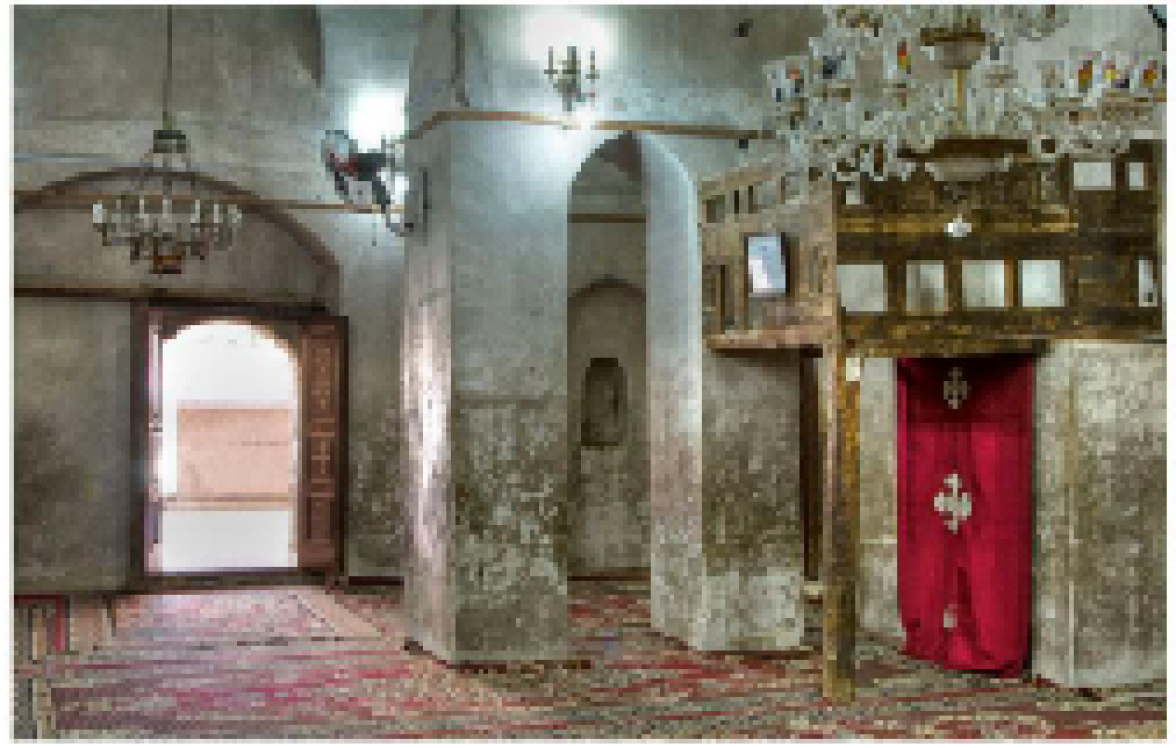
Dating back to the 4th century, this historic church contains three altars: The Main Altar: Dedicated to Saint Bishoy himself, built in the 10th century and reflecting Fatimid-era architectural style. The Northern Altar: Dedicated to the Virgin Mary. The Southern Altar: Dedicated to Saint John the Beloved. This section features ancient wall paintings on its eastern side. At the front northern side, there is a wooden reliquary housing the body of Saint Bishoy and the relics of Saint Bola El-Tamouhi. At the rear southern end lies the shrine of Pope Benjamin II.
About St. Bishoy
Dating back to the 4th century, this historic church contains three altars: The Main Altar: Dedicated to Saint Bishoy him..
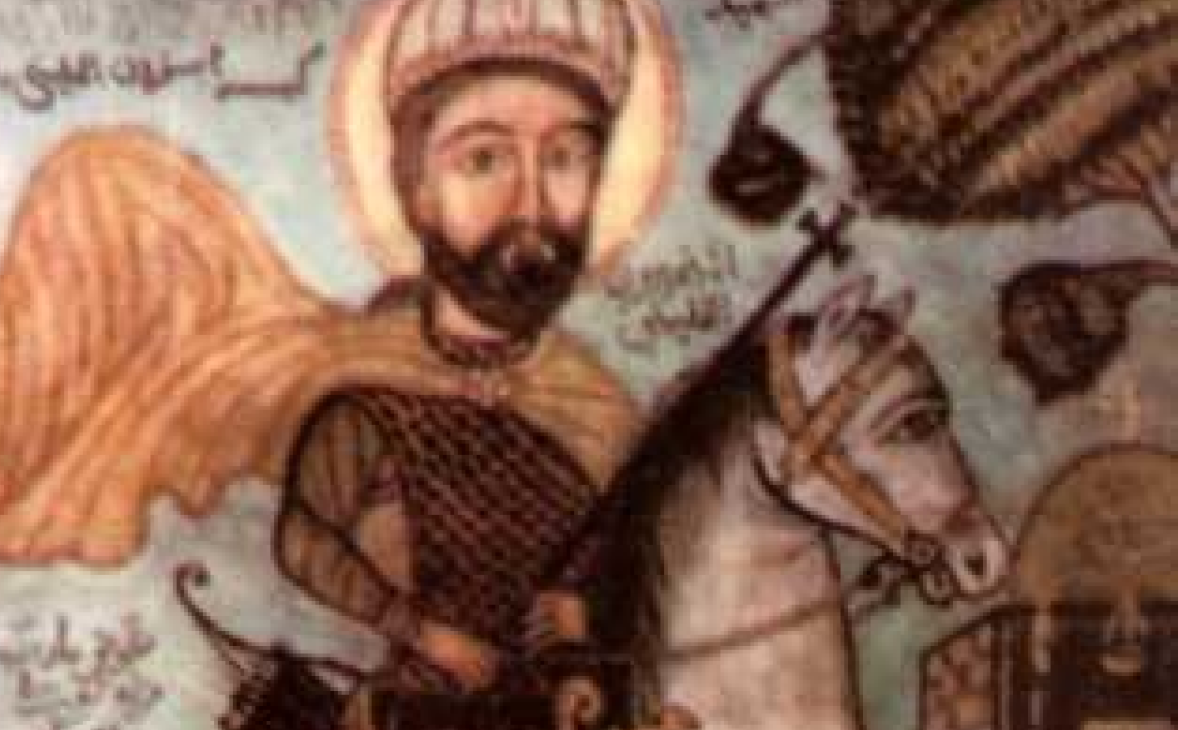
Church of the Virgin Mary & Pope Benjamin I Situated on the northern side of Saint Bishoy’s Church, this chapel also contains a 4th-century altar. It was originally part of the main church but became a standalone chapel in the 14th century. The eastern wall of the church preserves fragments of ancient frescoes, dated to the 11th century. The word fresco (from Latin fresca) refers to mural paintings created directly onto fresh plaster walls. The iconostasis of the altar is one of the most valuable heritage pieces in the monastery. It dates to the year 1489 AD (15th century), although some sources suggest its current form may be from the 18th century.
Retreat House
Church of the Virgin Mary & Pope Benjamin ISituated on the northern side of Saint Bishoy’s Church, this chapel also contains a 4th-century altar. It was originally part of the main church but became a standalone chapel in the 14th century.The eastern wall of the church preserves fragments of ancient frescoes, dated to the 11th century. The word fresco (from Latin fresca) refers to mural paintings created directly onto fresh plaster walls. The iconostasis of the altar is one of the most valuable heritage pieces in the monastery. It dates to the year 1489 AD (15th century), although some sources suggest its current form may be from the 18th century.