
Explore
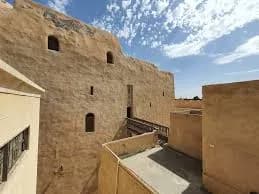
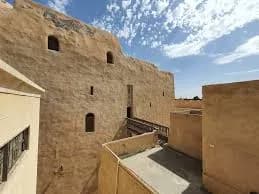
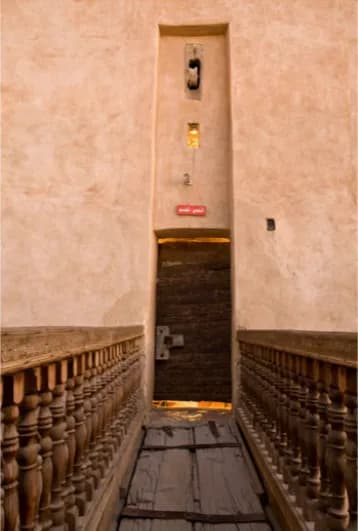
This fortress was built by King Zeno in the middle of the fifth century AD to be a refuge to protect the monks during the Berber attacks. In the past, one of the monks would sit at the top of the fortress to watch for their approach. If he sensed their approach, he would ring the bell to alert the monks, who would quickly gather and enter the fortress via a wooden bridge. This bridge would then be raised by a pulley fixed at the top of the fortress, thus isolating the fortress from the rest of the monastery, and the monks would remain inside it until the Berbers left.
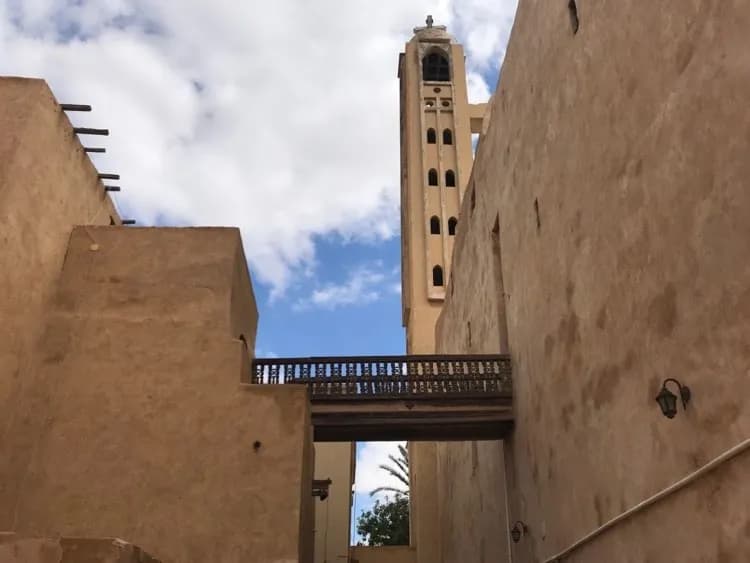
• Parts of the fortress collapsed, and it was rebuilt by the master craftsman Ibrahim al-Jawhari in 1790 AD. • The fortress measures 20 x 20 square meters and is approximately 25 meters high. • It is located to the right of the entrance to the ancient monastery.
The fortress consists of three floors: First Floor: Contains a well for drinking water during Berber sieges, and several cells for the monks to live in during sieges. Second Floor: Contains a church dedicated to the Virgin Mary, with three altars: the middle altar dedicated to the Virgin Mary, the northern altar dedicated to Saint Anba Abram, Bishop of Fayoum, and the three saints Macarius (the southern altar). It also includes a library, a granary, and an oven for baking bread during sieges. Third Floor: Contains a church dedicated to the Archangel Michael. The monks customarily named the church on the third floor of any fortress after the Archangel Michael, as he is the guardian angel who protects the fortress from attacks.