EXPLORE THE MONASTERY
A historic refuge built to protect the monks of St. Bishoy Monastery during times of danger, preserving the memory of faith, vigilance, and monastic resilience.
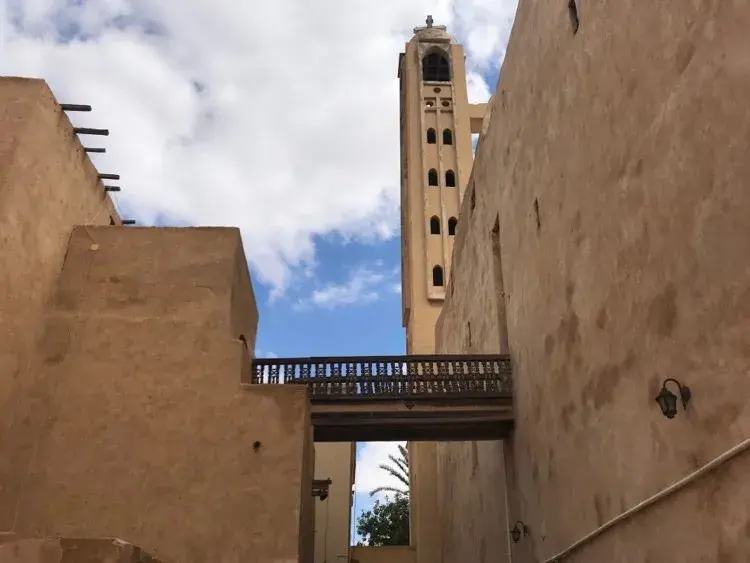
The Fort — St. Bishoy Monastery, Wadi El Natrun
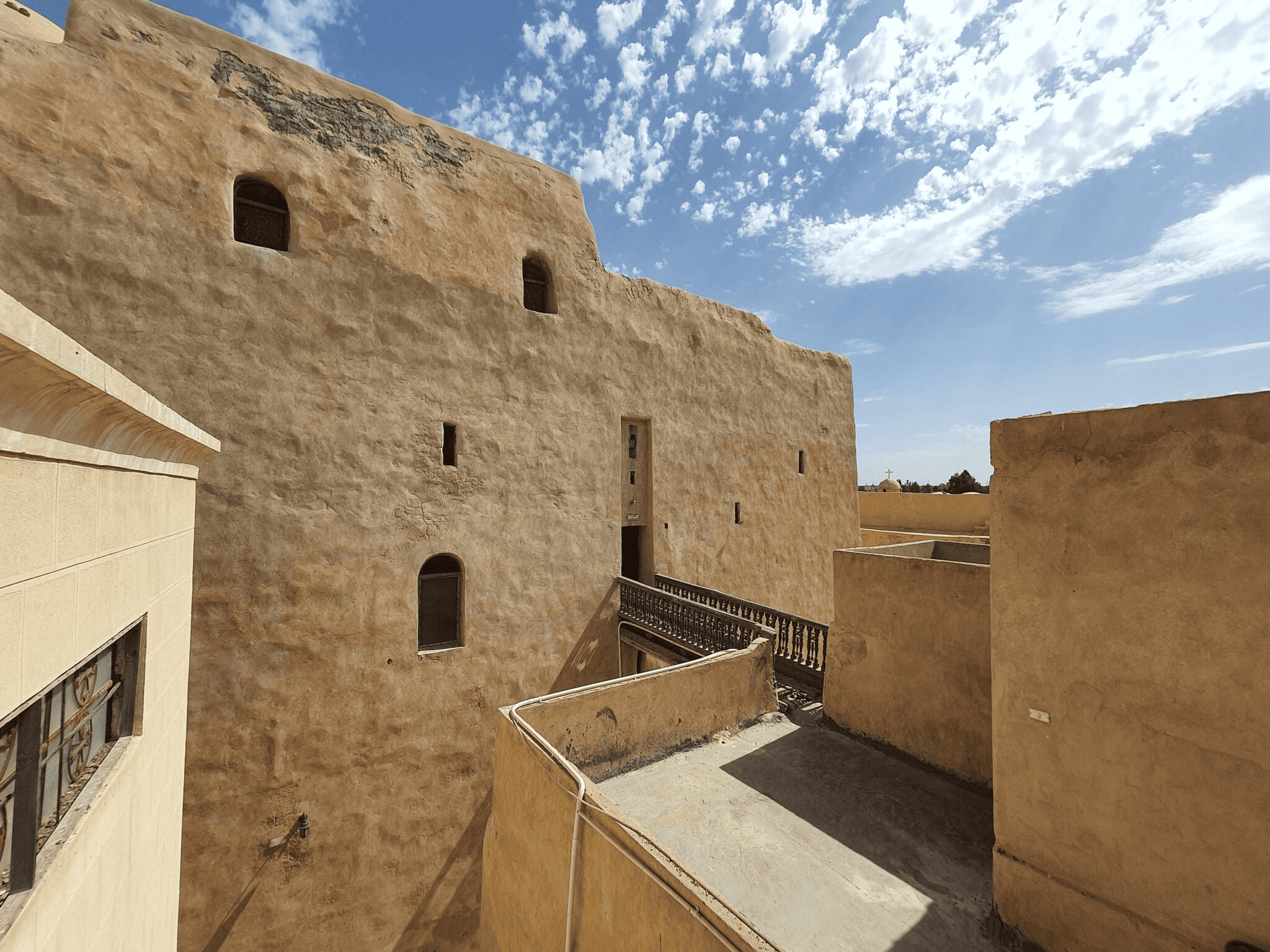
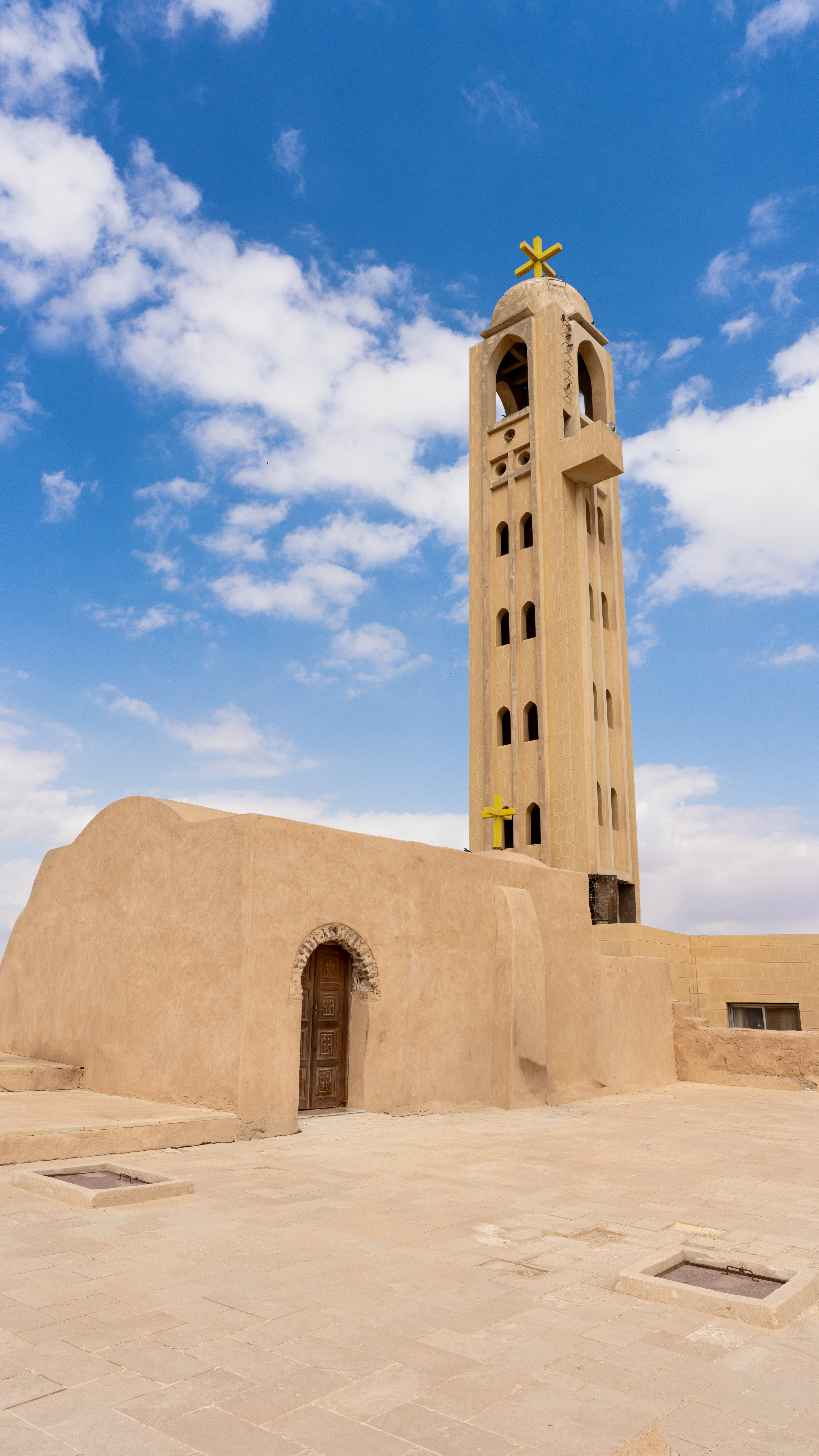
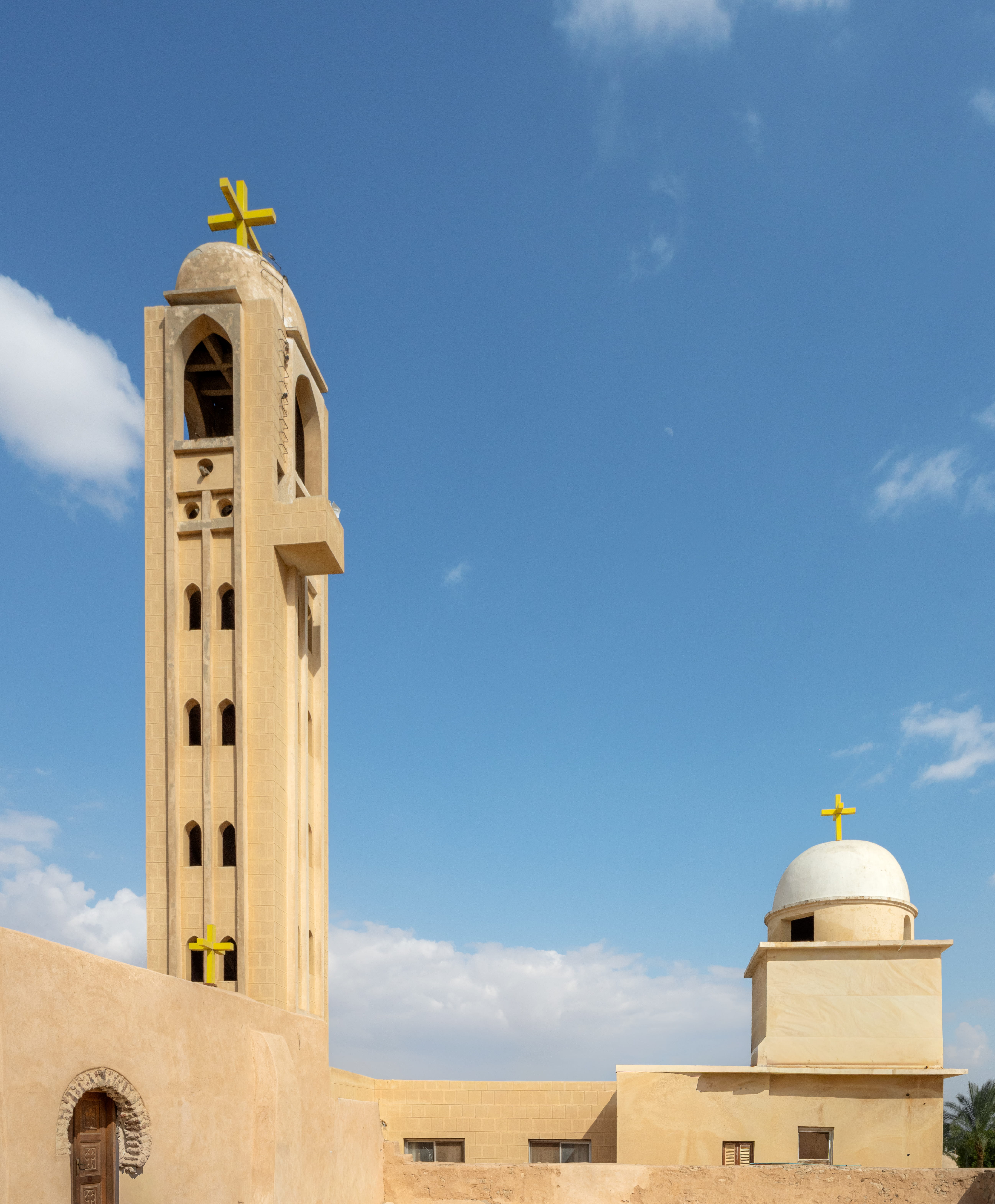
The Fort, also known as the Keep, is one of the most important defensive landmarks within the Monastery of Saint Bishoy in Wadi El Natrun. It was built in the middle of the fifth century AD by King Zeno as a refuge to protect the monks during Berber attacks.
In times of danger, one of the monks would sit at the top of the fortress to watch for approaching attackers. If he sensed danger, he would ring the bell to alert the monastery. The monks would then quickly gather and enter the fortress through a wooden bridge.
Once the monks were inside, the bridge would be raised by a pulley fixed at the top of the fortress, isolating the Fort from the rest of the monastery until the danger had passed.
Mid-5th Century AD
YEAR BUILT
King Zeno / Emperor Zenon
BUILT BY
Refuge During Berber Attacks
PURPOSE
The Fort was designed as a place of safety during periods of attack and siege. Its architecture reflects the practical needs of monastic life in difficult times: protection, water, food storage, prayer, and isolation from danger. The drawbridge was a key part of this defensive system — making the Fort not only a military-style structure, but also a spiritual refuge where monks could remain together in prayer.
Watchman Observes
A monk stationed at the top of the fortress watches for approaching danger.
Bell Warning
He rings the bell to alert the community below of the incoming attack.
Monks Gather
The monks quickly gather and enter the Fort through the wooden drawbridge.
Bridge Raised
The bridge is lifted by a pulley fixed at the top of the fortress.
Fort Isolated
Completely separated from the monastery, the monks remain safe until danger passes.
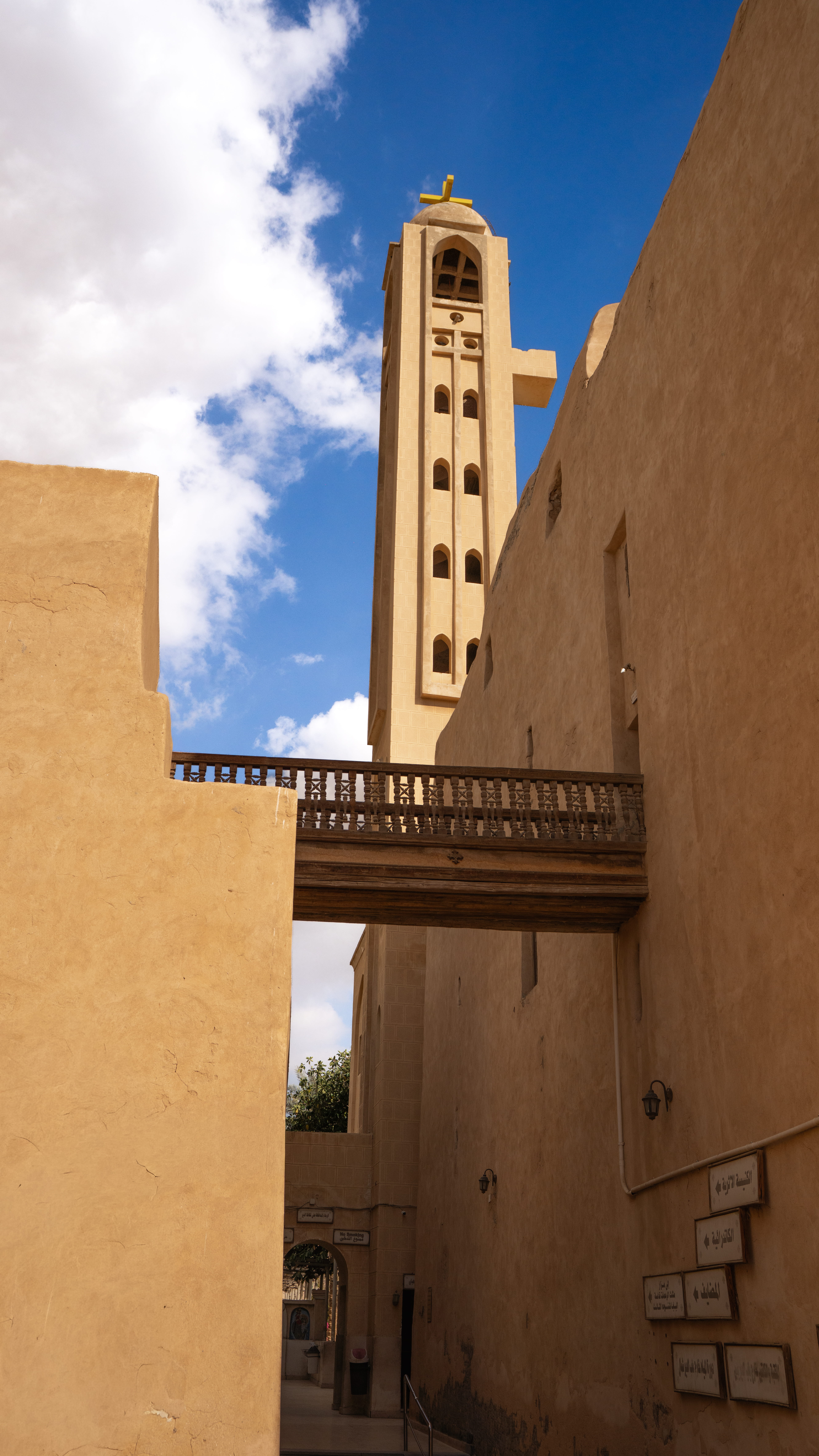
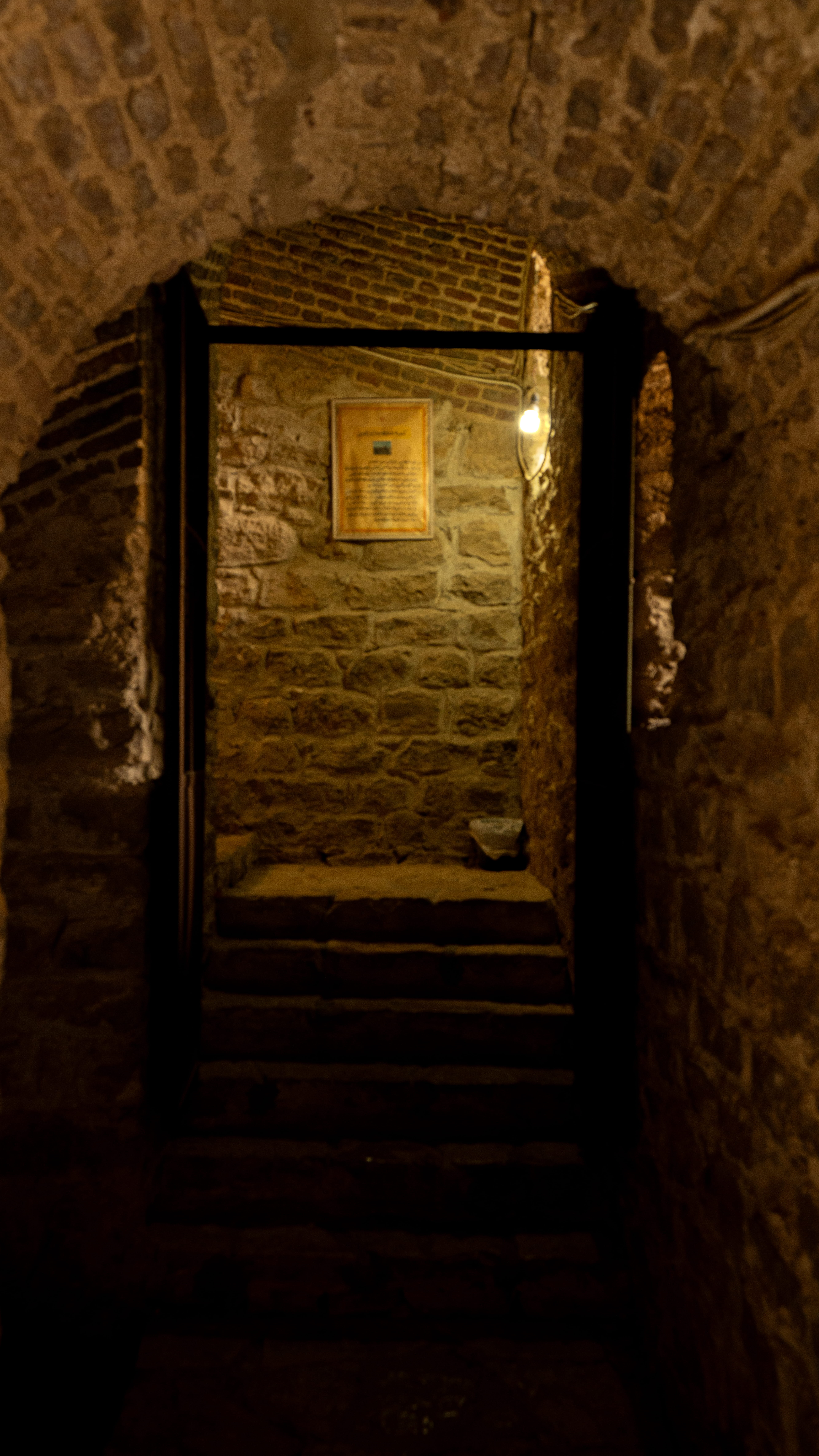
View from within — The Fort tower interior
Parts of the fortress later collapsed and were rebuilt by the master craftsman Ibrahim al-Jawhari in 1790 AD. Today, the Fort remains one of the monastery's most distinctive historic structures.
Because of its size, height, and position, the Fort stands as a clear reminder of the monastery's long history of endurance and protection.
HISTORICAL RECORD
~25 m
HEIGHT
20 × 20 m
FOOTPRINT
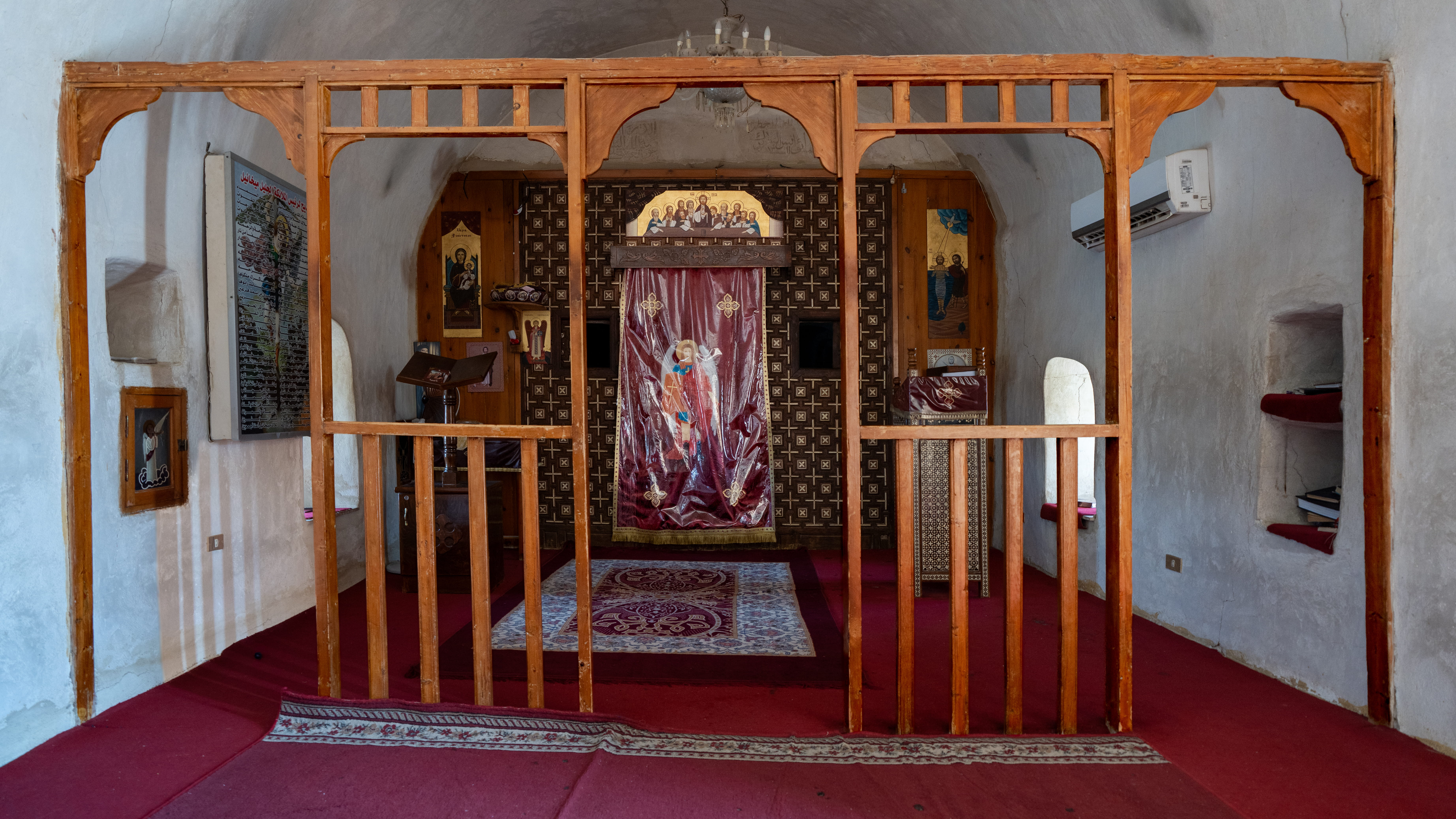
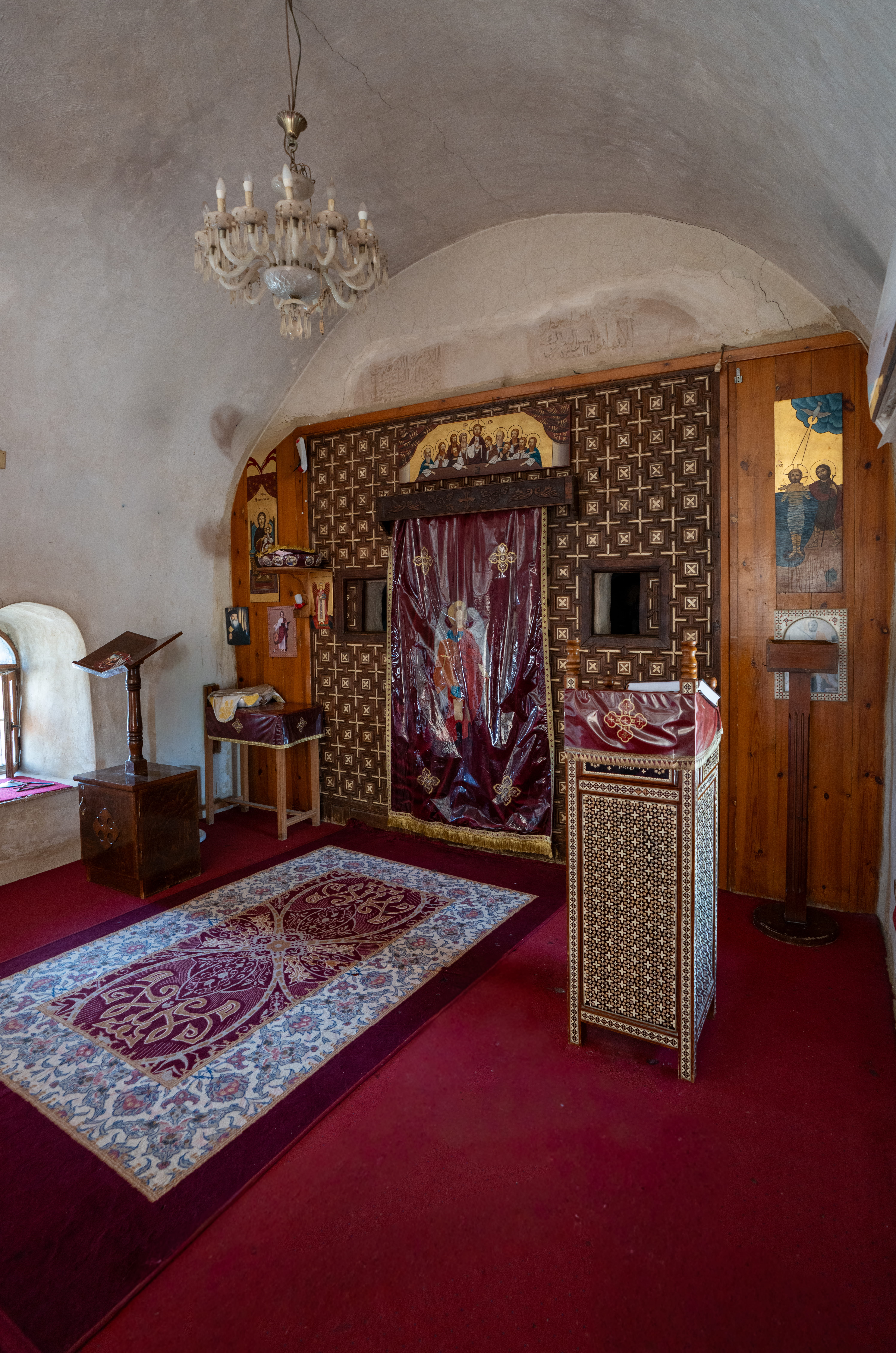
The Fort consists of three floors, each serving a specific purpose during times of siege.
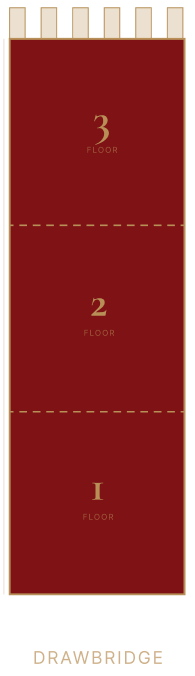
THIRD FLOOR
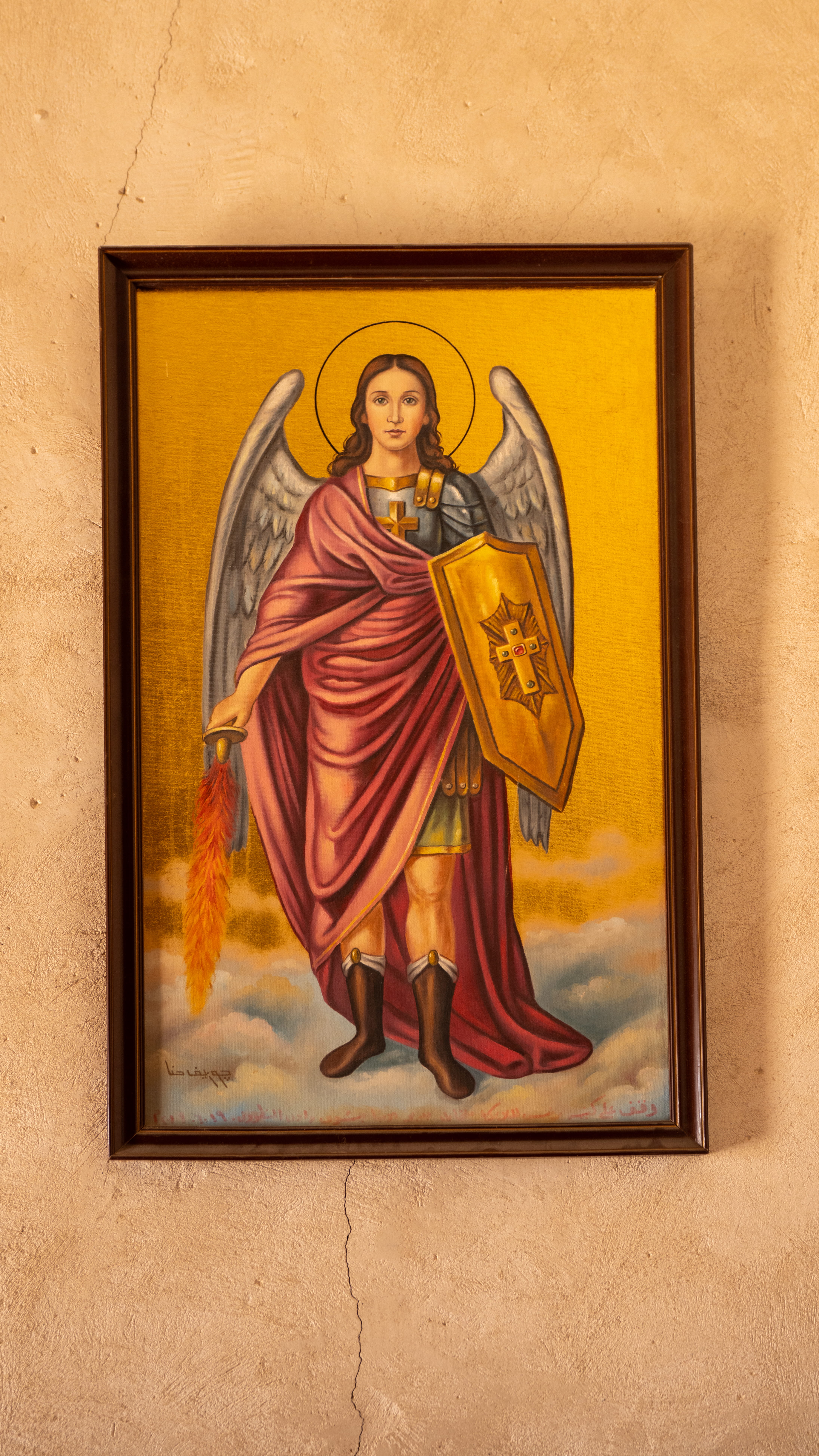
The third floor contains a church dedicated to Archangel Michael. In Coptic monastic tradition, the church on the third floor of a fortress was often dedicated to Archangel Michael, regarded as the guardian angel who protects the fortress from attacks.
SECOND FLOOR
The second floor contains a church dedicated to the Virgin Mary with three altars: the central altar dedicated to the Virgin Mary, the northern altar dedicated to Saint Anba Abram, Bishop of Fayoum, and the southern altar dedicated to the three saints Macarius. This floor also included a library, a granary, and an oven for baking bread during sieges.
FIRST FLOOR
The first floor contained practical facilities needed during attacks, including a well for drinking water and cells where monks could stay during sieges. The Fort also included storage spaces that supported the monks while they remained inside.
Gallery
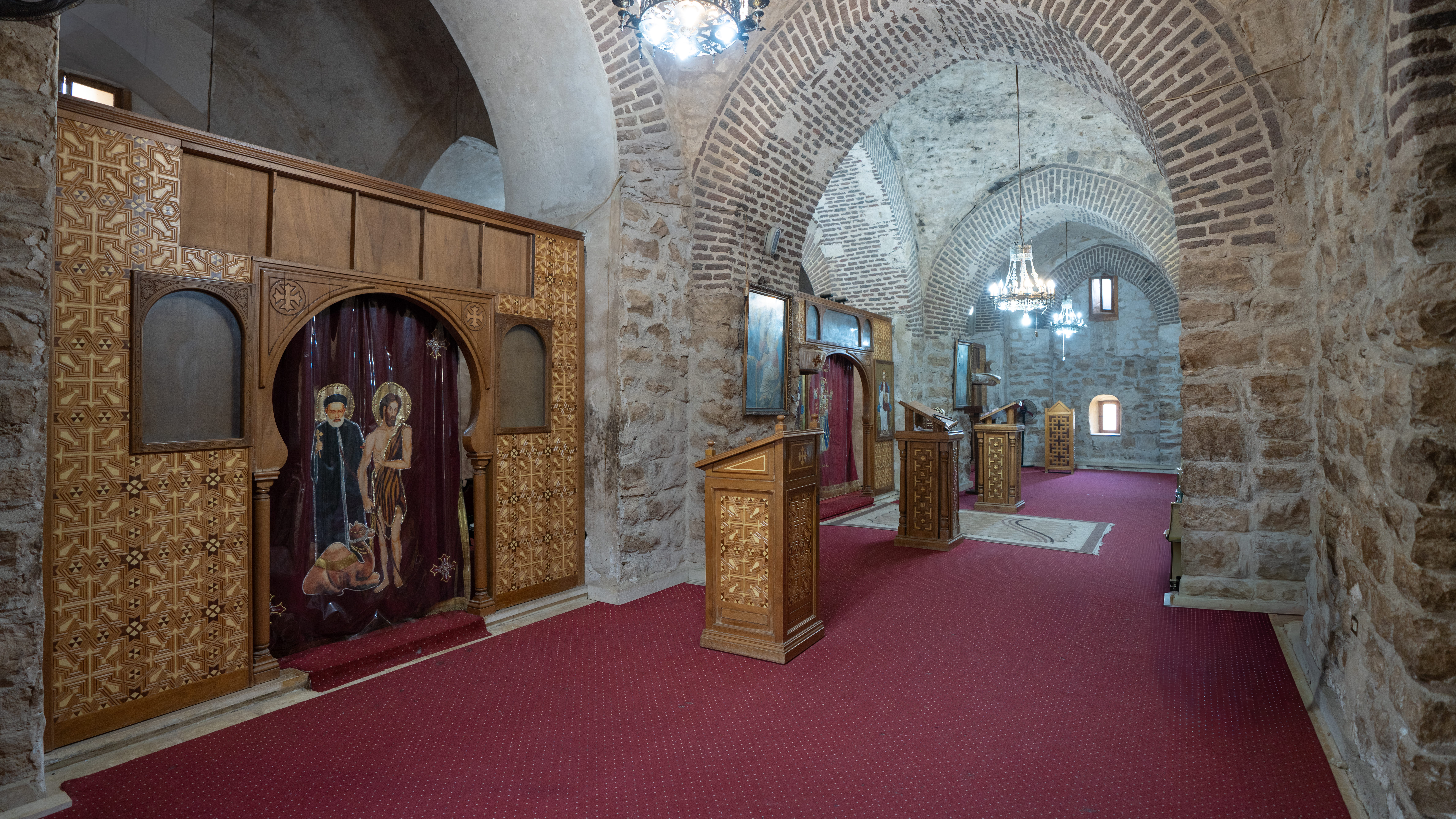
Although the Fort was built for protection, it also carries a deep spiritual meaning. It represents the monastery's endurance through difficult times and the monks' trust in God during danger.
The Fort reminds visitors that monastic life in the desert was not only a life of prayer and silence, but also a life that required courage, discipline, unity, and perseverance.
Explore the shrine through an immersive virtual reality tour. View the interior, personal displays, iconography, and surrounding spiritual atmosphere.
For the best experience, use a VR headset. The tour is also accessible on desktop and mobile browsers.
Continue Exploring the Monastery
One of the most beautiful and largest historic churches in Wadi El Natrun — foundations from the 4th century AD.
READ MORE →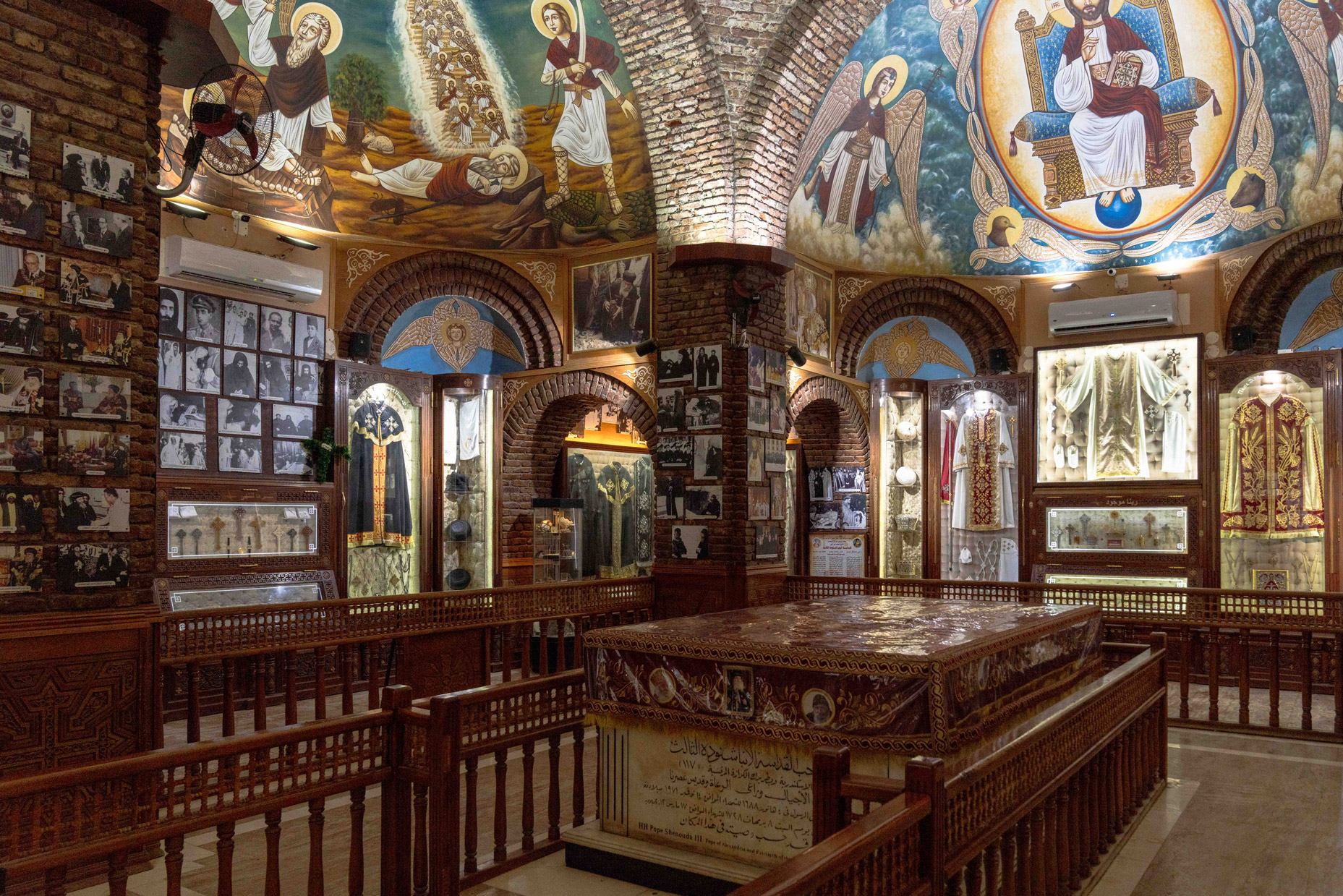
Located on the seaward side of the historic Church. Pope Shenouda III requested to be buried there.
READ MORE →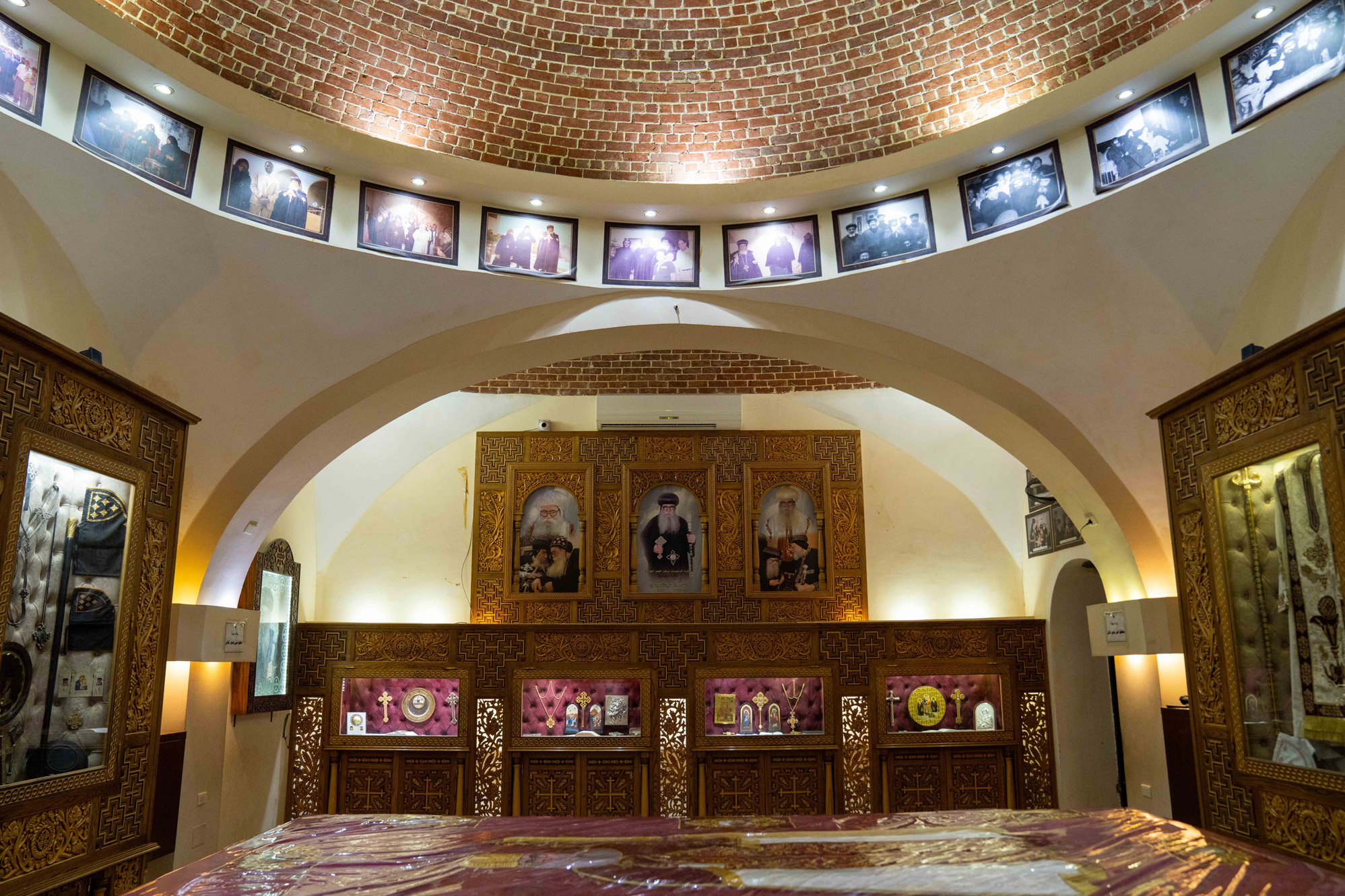
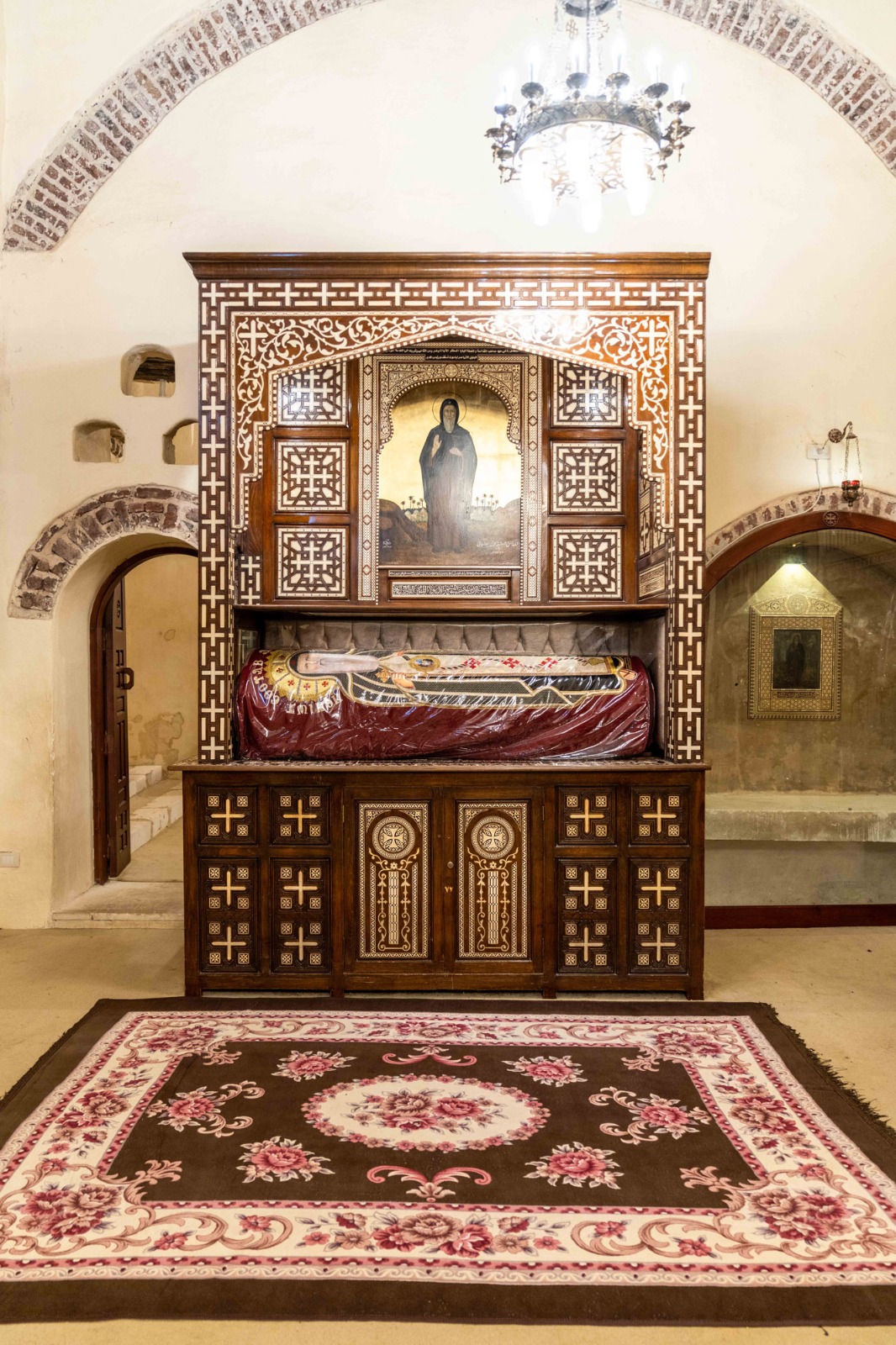
Adjacent to the Shrine of Pope Shenouda III. Contains the body of Anba Sarabamoun and his priestly clothes.
READ MORE →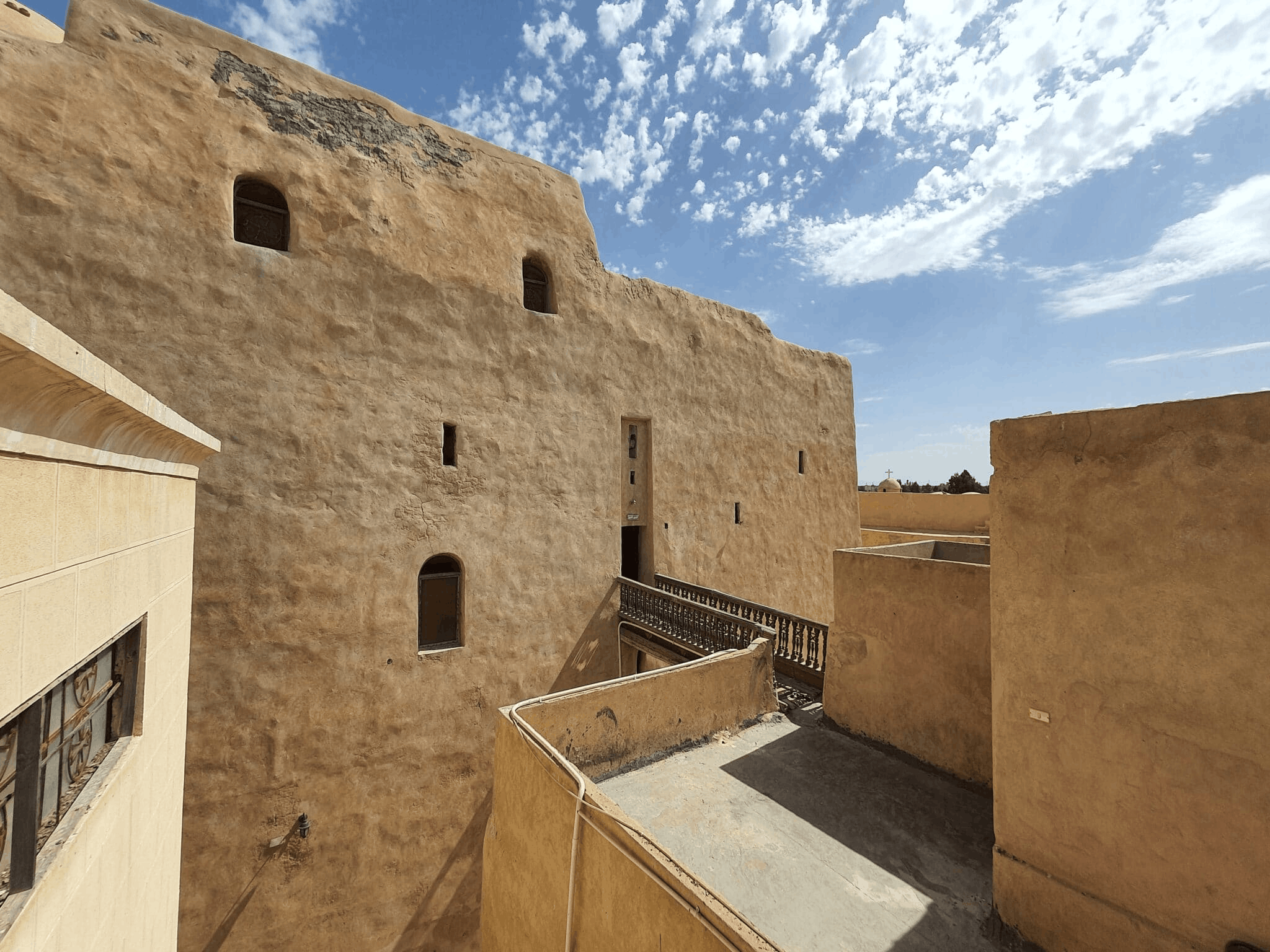
Built by King Zeno in the 5th century AD. A refuge for monks during Berber attacks with a drawbridge pulley system.
CURRENT PAGE