Pope
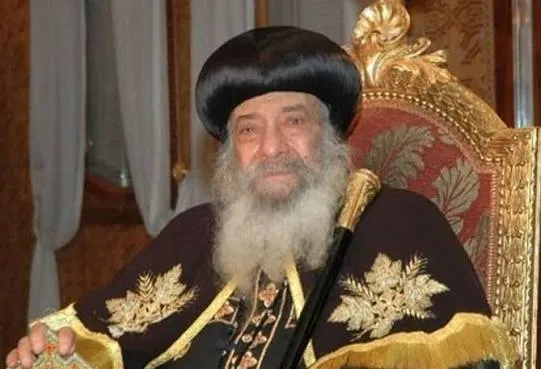
Pope of Alexandria and Patriarch of the See of Saint Mark, the 117th Pope of the Coptic Orthodox Church.
117th Pope of Alexandria & Patriarch of the See of St. Mark
His Holiness Pope Shenouda III was born Nazeer Gayed Roufail on August 3, 1923, in Asyut, Egypt. He graduated from Cairo University with a bachelor's degree in history in 1947, then studied at the Coptic Orthodox Theological Seminary and graduated in 1949. In 1954 he entered monastic life at the Syrian Monastery and became known as Fr. Antonious El-Syriani. He was consecrated Bishop of Christian Education and President of the Coptic Orthodox Theological Seminary on September 30, 1962. On November 14, 1971, he was consecrated as the 117th Pope of Alexandria and Patriarch of the See of Saint Mark. He served the Coptic Orthodox Church for more than forty years until his departure on March 17, 2012, in Cairo.
AT A GLANCE
Birth Name
Nazeer Gayed Roufail
Birth Date
August 3, 1923
Birth Place
Asyut, Egypt
Departure Date
March 17, 2012
Departure Place
Cairo, Egypt
Church
Coptic Orthodox Church of Alexandria
Rank
117th Pope of Alexandria
Patriarchal Title
Patriarch of the See of Saint Mark
Education
Bachelor's degree in History, Cairo University, 1947
Seminary
Pope Shenouda III was born Nazeer Gayed Roufail on August 3, 1923, in Asyut, Egypt. He grew up in a Coptic Christian family and became active in the Sunday School movement at a young age.
Saint Bishoy
1923
Born on August 3, 1923, in Asyut, Egypt, as Nazeer Gayed Roufail.
1947
Graduated from Cairo University with a bachelor's degree in history.
1949
Graduated from the Coptic Orthodox Theological Seminary and joined its faculty.
Scholarship, monastic formation, and pastoral leadership
Pope Shenouda III is remembered as a theologian, preacher, writer, monk, bishop, and patriarch whose papacy shaped modern Coptic Orthodox life in Egypt and the diaspora.
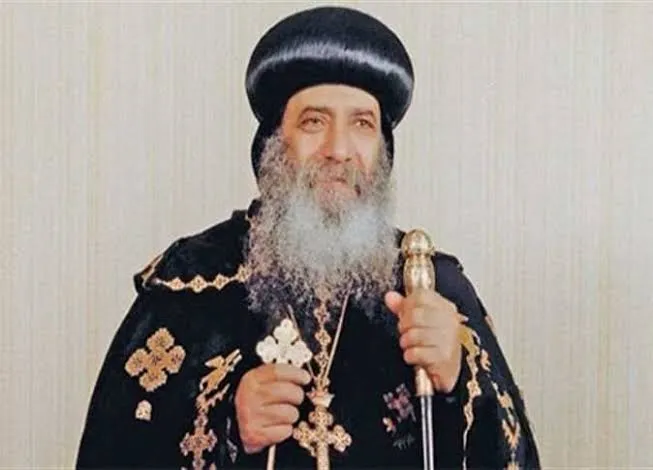
During his papacy from 1971 to 2012, Pope Shenouda III strengthened theological education, monastic life, youth ministry, church publishing, ecumenical dialogue, and Coptic Orthodox communities across the world.
LITERARY HERITAGE
Explore the shrine through an immersive virtual reality tour. View the interior, personal displays, iconography, and surrounding spiritual atmosphere.
For the best experience, use a VR headset. The tour is also accessible on desktop and mobile browsers.
Graduated from the Coptic Orthodox Theological Seminary in 1949
Monastic Life
Entered monastic life at the Syrian Monastery on July 18, 1954
Monastic Name
Fr. Antonious El-Syriani
Bishop
Consecrated Bishop of Christian Education on September 30, 1962
Enthronement
Consecrated as Pope on November 14, 1971
Predecessor
Pope Cyril VI
Successor
Pope Tawadros II
Burial
Monastery of Saint Pishoy, Wadi El Natrun
1954
Entered the Syrian Monastery and became known as Fr. Antonious El-Syriani.
1962
Consecrated Bishop of Christian Education and appointed President of the Coptic Orthodox Theological Seminary.
1971
Consecrated as Pope Shenouda III, the 117th Pope of Alexandria and Patriarch of the See of Saint Mark, on November 14, 1971.
2012
Departed on March 17, 2012, in Cairo after more than forty years of papal service.
Continue Exploring the Monastery
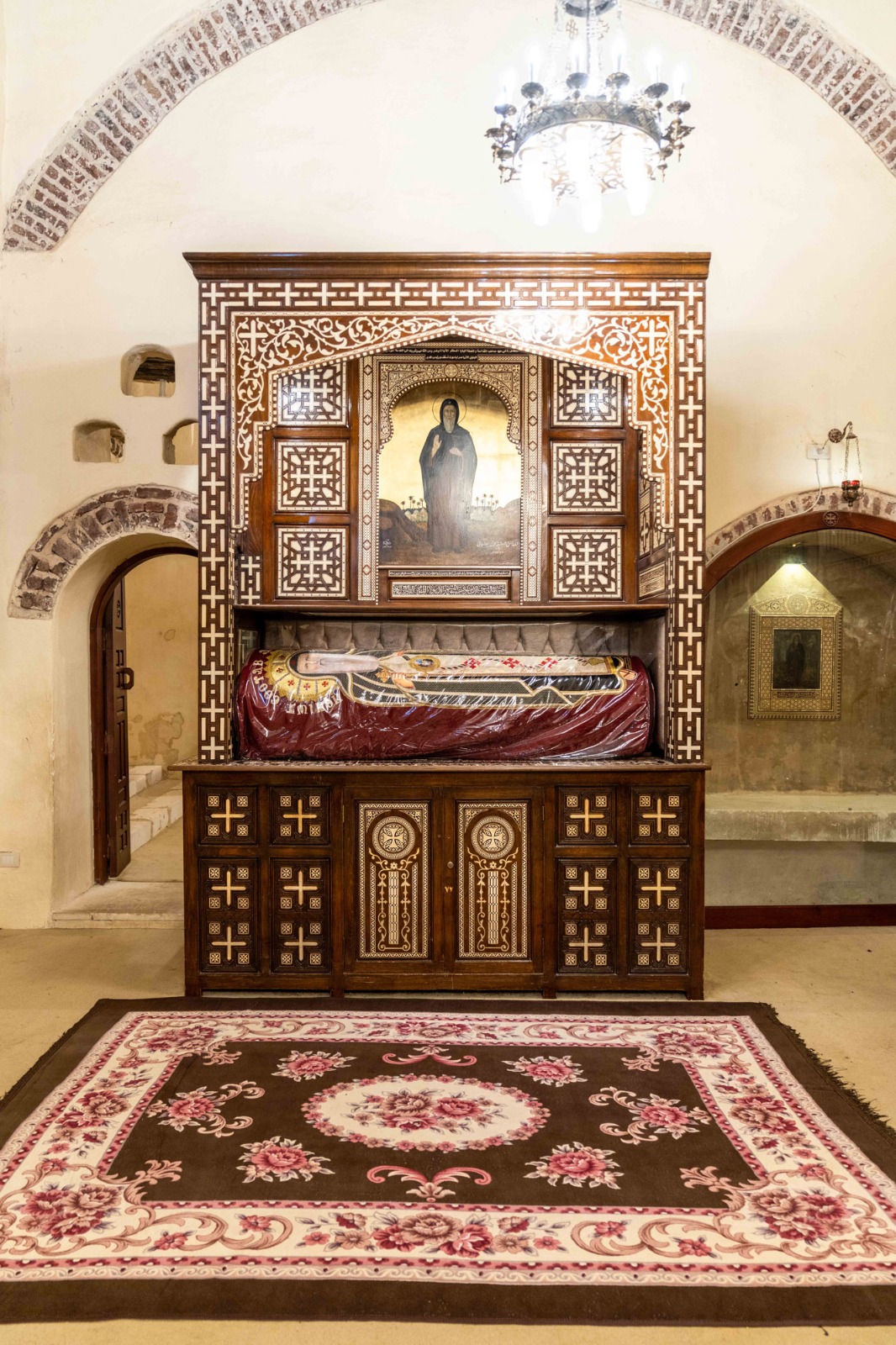
One of the most beautiful and largest historic churches in Wadi El Natrun — foundations from the 4th century AD.
READ MORE →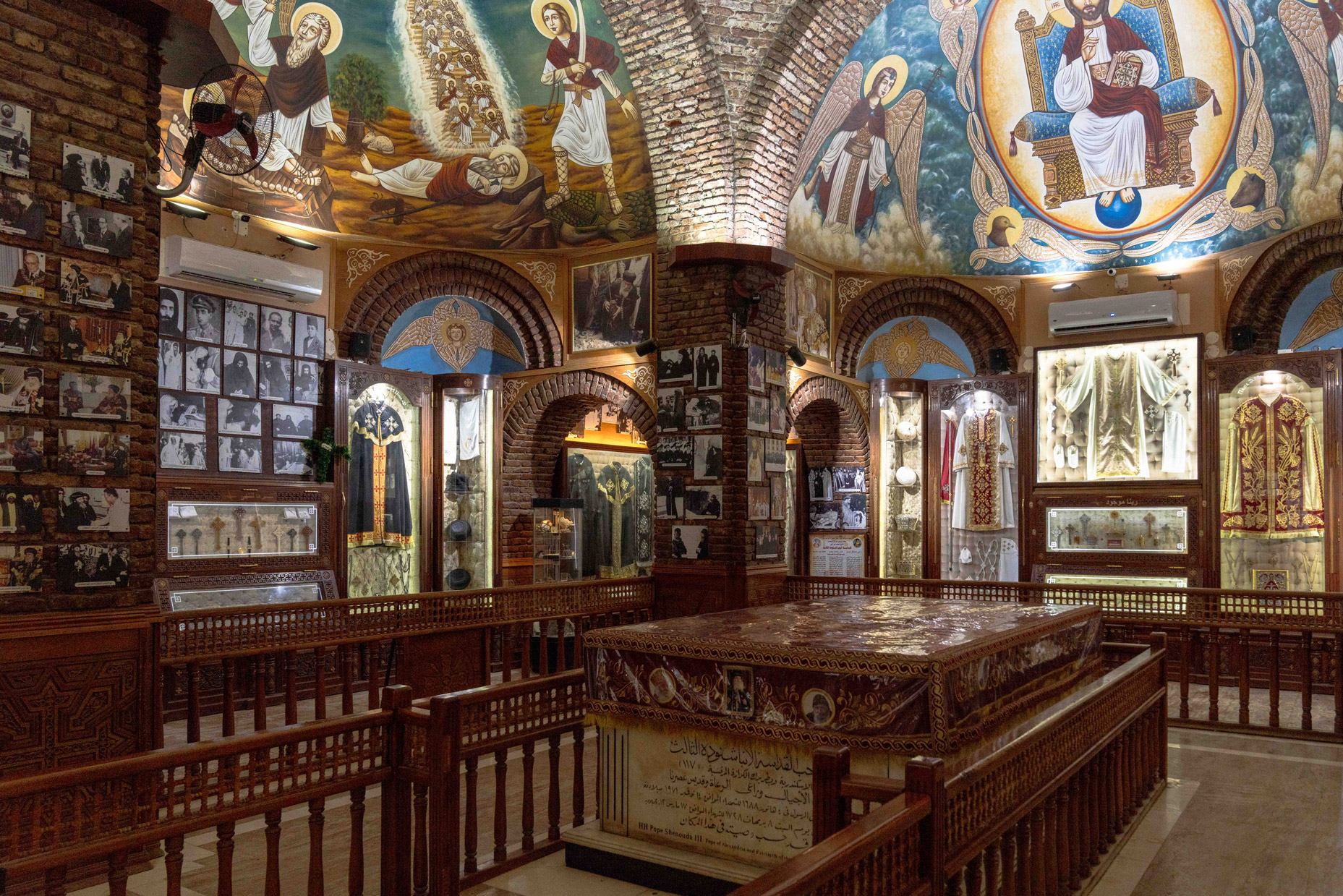
Located on the seaward side of the historic Church. Pope Shenouda III requested to be buried there.
CURRENT PAGE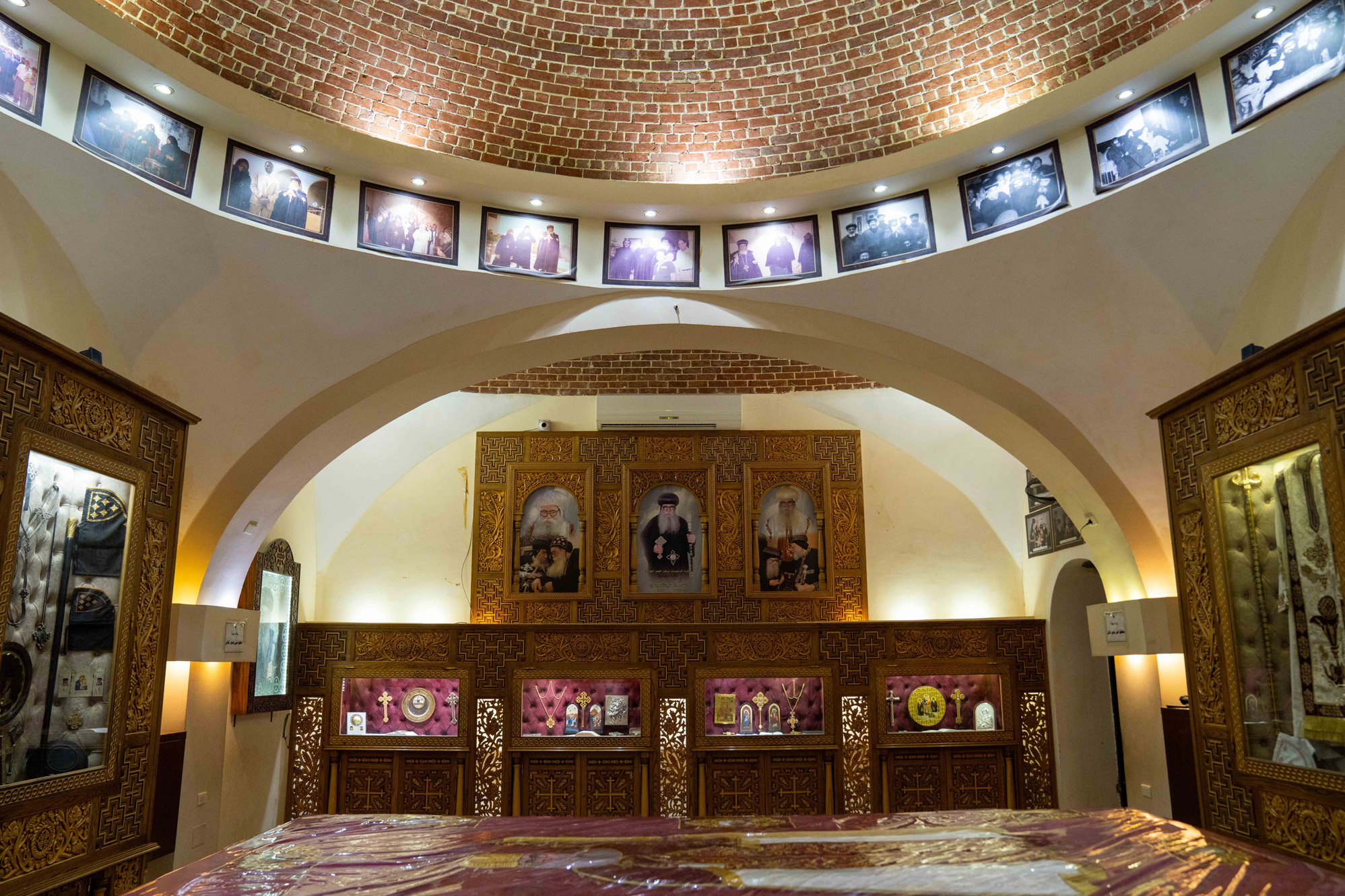
Adjacent to the Shrine of Pope Shenouda III. Contains the body of Anba Sarabamoun and his priestly clothes.
READ MORE →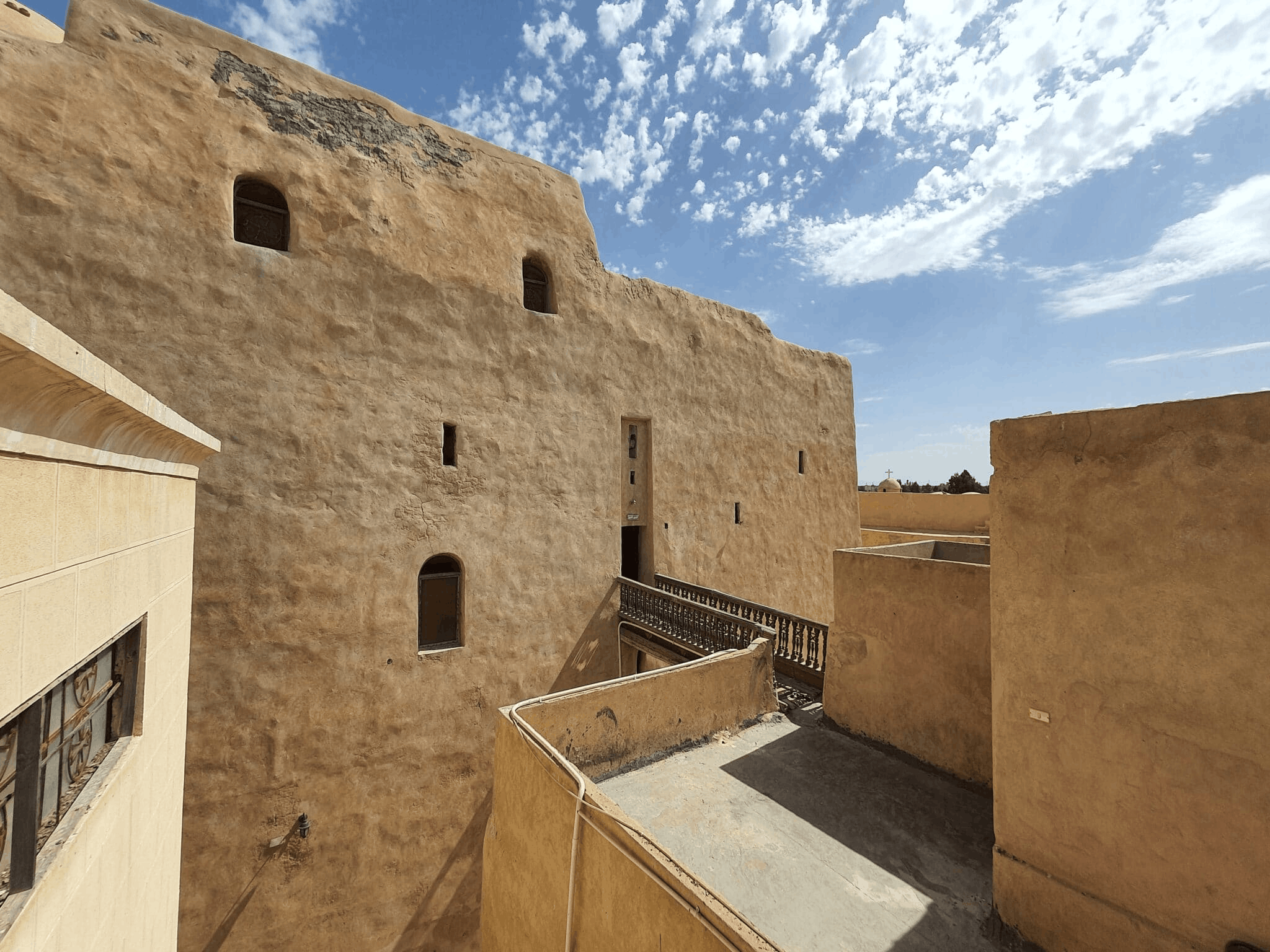
Built by King Zeno in the 5th century AD. A refuge for monks during Berber attacks with a drawbridge pulley system.
READ MORE →